
Listen to this post
Post Summary
What are solar farm bonds?
Why do solar projects require surety bonds?
When are solar project performance bonds required?
What are solar decommissioning bonds?
Do solar bonding requirements vary by location?
What do surety underwriters evaluate for renewable energy projects?
Solar Farms: A Different Kind of Infrastructure Risk
Solar and other renewable energy projects have experienced rapid growth in recent years. In fact, solar has been the leading source of new electricity-generating capacity in the United States for the past five years.
While these projects share many characteristics with traditional construction, they also introduce a new type of surety risk due to their long-term operational exposure, evolving ownership structures, and eventual decommissioning obligations.
As solar development continues to expand, evaluating the long-term financial strength and durability of project stakeholders is increasingly important for surety professionals. Below, we break down some common solar farm bond requirements and key underwriting considerations.
What Triggers Bonding Requirements in Solar Farm Projects?
Solar farm projects may require surety bonds for a variety of reasons, depending on the project's structure, financing arrangements, and regulatory requirements.
Construction and EPC Contracts
During the early stages of solar projects, project owners often rely on engineering, procurement, and construction (EPC) contractors to design and build the facility. As a result, they may require these contractors to obtain solar project performance and payment bonds to protect against default, incomplete work, or payment disputes.
While most surety professionals are familiar with these types of bonding requirements, solar developments often involve more complex supply chains and highly specialized equipment. In turn, underwriters should look beyond standard construction risk and evaluate whether the contractor has the technical experience, supplier relationships, and financial capacity to complete the solar project successfully.
Read More: 6 Essential Bonds To Support Your Contractor Clients' Business Growth
Permitting and Local Government Requirements
Local governments and permitting authorities may require additional bonds to help ensure the fulfillment of the long-term obligations associated with solar farm projects. Depending on the jurisdiction, these bonding requirements may include:
- Site restoration
- Environmental compliance
- Decommissioning obligations
Project Financing and Investor Requirements
Solar projects often involve significant capital investment. For example, a one-megawatt utility-scale solar project can cost approximately $980,000 to construct, not including land acquisition costs. For this reason, lenders, investors, and other financial stakeholders may require renewable energy surety bonds to help mitigate risks associated with:
- Contractor default
- Project delays
- Incomplete delivery
Read More: Build Your Renewable Energy Book: An Agent’s Guide to Boosting Bond Submissions
Understanding the Solar Project Lifecycle
While surety bonds can play an important role in the solar project lifecycle, specific risks evolve from one stage to the next.
Development Phase
Before construction begins, developers often need to:
- Secure land rights
- Obtain permits
- Establish interconnection agreements
- Finalize financing arrangements
During this stage, the greatest risks often center around the project’s feasibility and regulatory approvals, as well as the developer's ability to move the project forward.
Construction Phase
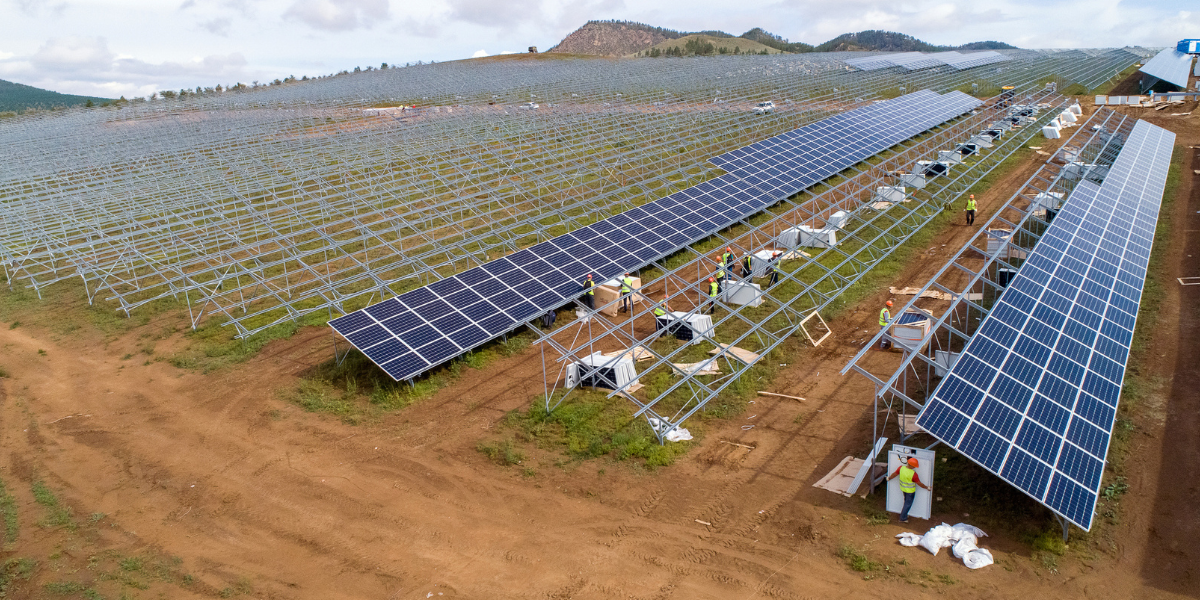
The construction phase introduces many of the construction risks familiar to surety professionals. During this stage, EPC contractors must coordinate labor, materials, logistics, and project execution while meeting contractual requirements. Common risks include:
- Contractor performance issues
- Supply chain coordination disruptions
- Budget overruns
- Labor shortages
- Scheduling delays
Read More: The Bonds Behind Community Solar: What’s Required at Each Stage
Operational Phase
Once a solar farm is up and running, it can often generate revenue for 20 to 30 years or longer. The reliability of its ongoing performance depends on:
- The solar equipment’s performance
- Proper maintenance practices
- Energy production
- Contractual obligations, such as power purchase agreements (PPAs)
In this stage, a project owner's financial strength and operational capabilities become increasingly important, as they can directly influence the surety's long-term risk exposure.
End-of-Life and Decommissioning
At the end of a solar farm’s useful life, project owners may be responsible for removing panels and other equipment and restoring the site. Permitting authorities are increasingly requiring solar decommissioning bonds to help ensure the fulfillment of these obligations.
Read More: How Tower Decommissioning Bonds Help Manage End-of-Life Telecom Infrastructure Risk
4 Unique Underwriting Risks of Solar Projects
While solar farms share many similarities with other types of infrastructure projects, they also present several unique underwriting challenges. These risks include:
- Long-term asset viability: Solar projects are designed to operate for decades. Thus, a project owner's and operator's financial strength is a crucial consideration when evaluating risk. A project owner who appears financially sound today may look very different years down the road.
- Evolving ownership structures: After construction, developers often sell completed solar farm projects to investors, infrastructure funds, utilities, or independent operators. These ownership transfers can complicate the continuity of bonded obligations and long-term accountability.
- Revenue dependency on external factors: Solar farm performance often depends on factors outside the project owner's control, including power purchase agreements (PPAs), energy pricing, regulatory incentives, and broader market conditions. Changes in these factors can affect a project's long-term financial stability and overall risk profile.
- Specialized equipment and supply chains: Solar farms rely on specialized equipment, from panels to inverters, sourced through complex global supply chains. Equipment replacements, maintenance requirements, and supplier availability can all influence long-term project performance, making them important considerations during underwriting.
How Solar Bonding Requirements Vary by State and Local Jurisdiction
Unlike some other areas of surety, there’s no national standard that governs solar bonding requirements. Instead, requirements can vary significantly across states, municipalities, permitting authorities, and project types.
Some of the most common variables include:
- Decommissioning bond thresholds
- Environmental restoration requirements
- Timing of bonding requirements (pre-construction vs. operational, etc.)
As solar development continues to expand, many jurisdictions are moving toward more formalized and enforceable financial assurance requirements.
Solar Farm Underwriting Considerations for Surety Companies
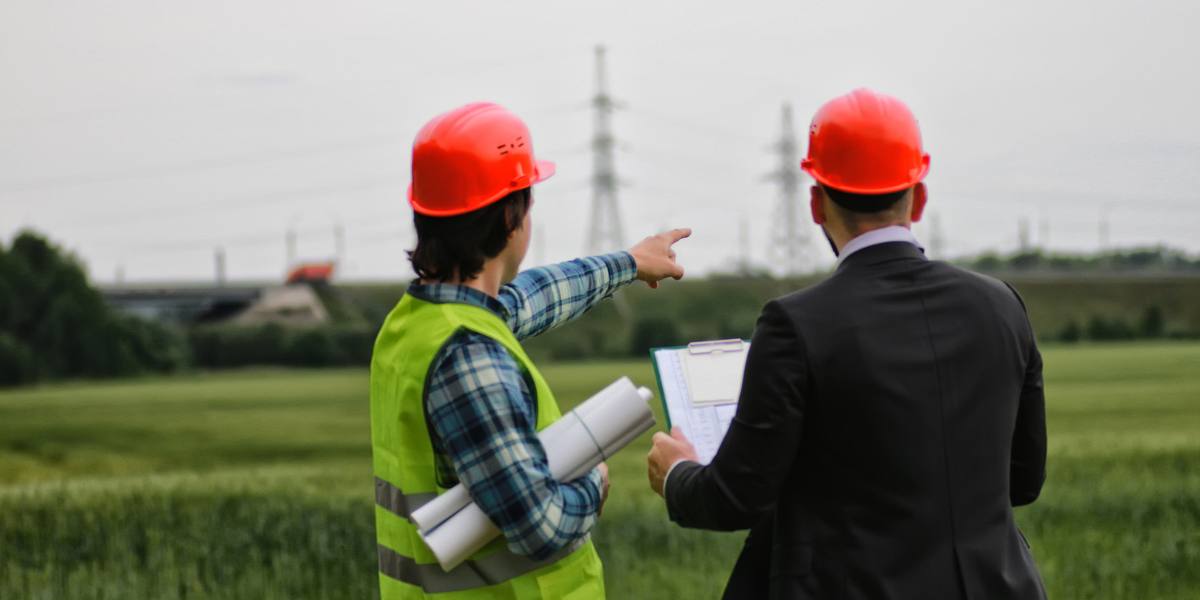
Solar farm bonds represent a growing opportunity for surety professionals. If you want to support clients in this evolving sector, it's important to understand their unique underwriting requirements.
As you underwrite these bonds, pay close attention to:
- Stakeholders' financial strength: Solar projects often involve multiple stakeholders, including developers, EPC contractors, investors, and long-term owners. Understanding each party's financial strength, capital structure, and funding sources can provide valuable insight into the project’s overall risk.
- Clarity of contractual obligations: Next, carefully review your clients' EPC contracts, land leases, permitting requirements, and decommissioning obligations to ensure all responsibilities are clearly defined and enforceable. Otherwise, unclear contractual obligations can create uncertainty and increase your overall risk exposure.
- Project viability and revenue stability: A solar project's long-term success often depends on stable revenue generation. When underwriting these projects, evaluate the strength of PPAs, off-take agreements, and other revenue sources, while also considering how market conditions or regulatory changes could affect the project’s long-term viability.
- Lifecycle exposure: Solar projects require underwriters to evaluate more than completion risk alone. Risk can extend across construction, operation, ownership transitions, and eventual decommissioning. As a result, bond structures should align with the duration and nature of the underlying obligation.
For underwriters evaluating complex solar submissions, specialized reinsurance programs are also emerging to help expand capacity. The Renewable Energy Surety Program developed by UCS in partnership with GreenieRE Coalition, an impact-focused reinsurance company, is one example—built specifically to provide a second underwriting review and shared risk for solar projects that fall outside of conventional program structures.
Where Surety Professionals Encounter Challenges
Along with understanding solar farms’ key underwriting considerations, it’s equally important to anticipate the challenges that can arise during the underwriting process. Some common challenges associated with solar farm bonds include:
- Limited historical loss data for large-scale solar projects
- Complex ownership and financing structures
- Long-duration exposure with evolving risk profiles
- Bond requests tied to uncertain project economics
- Regulatory requirements that vary across jurisdictions
These challenges reinforce the importance of disciplined underwriting and thorough risk evaluation.
Best Practices for Managing Solar Bond Risk
While solar projects present unique underwriting challenges, following these best practices can help strengthen risk management and improve underwriting outcomes.
Surety professionals can strengthen their underwriting outcomes by:
- Taking a lifecycle approach to risk evaluation
- Evaluating the durability of financial backing, not just initial project funding
- Aligning bond terms with clearly defined obligations and timelines
- Carefully reviewing ownership and financing structures
Agents and risk managers can also support better outcomes by:
- Identifying bonding triggers early in project development
- Coordinating with legal, financial, and project stakeholders
- Maintaining continuity of bonding through ownership transitions
Solar Farm Bonding Requires a Long-Term Perspective
In summary, solar projects introduce a unique type of infrastructure risk. While construction remains an important component, the most significant exposures often extend far beyond project completion. By taking a disciplined lifecycle approach to underwriting, surety professionals can confidently navigate the unique challenges associated with solar farm bonding.
If you need support evaluating solar farm bonds or other renewable energy projects, United Casualty and Surety Insurance (UCS) can help. As a nationwide surety provider, we bring a thoughtful, risk-aware approach to underwriting complex infrastructure projects across evolving markets.
Sources:
EIA. Solar power generation drives electricity generation growth over the next two years.
https://www.eia.gov/todayinenergy/detail.php?id=67005
PBS News. Solar power hits new milestones in the U.S. even as Trump boosts coal over clean energy.
Solar Reviews. What is a Solar Farm? Costs, Pros, and Cons Explained.
https://www.solarreviews.com/blog/what-is-a-solar-farm-do-i-need-one
EPA. End-of-Life Solar Panels: Regulations and Management.
https://www.epa.gov/hw/end-life-solar-panels-regulations-and-management
LaBella. Lighting the Way: Solar Decommissioning Policies Gaining Traction.
https://labellapc.com/insights/lighting-the-way-solar-decommissioning-policies-gaining-traction/

UCS Team
Browse Posts




.png)
UCS is committed to a solutions-driven approach, partnering with agents to deliver the bonds contractors and commercial clients need — backed by determination, speed, and expertise.



Post a comment